The first migrants of autumn have arrived at Hengqin National Wetland Park, marking the start of the birding season. Each autumn, the park records more than 100 migratory species, with more expected in the coming weeks.
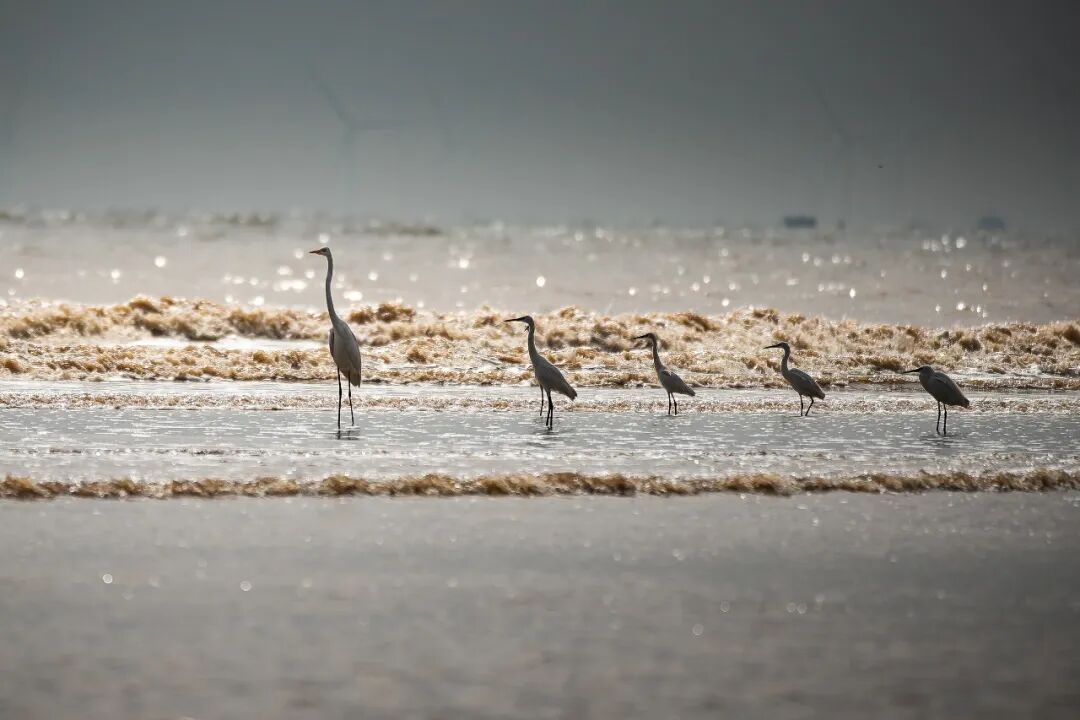
Early arrivals at the wetland include Kentish Plovers, Common Greenshanks and Dunlins. The Kentish Plovers, a small shorebird with cryptic plumage, forage on tidal flats in short bursts, pecking, running and pecking again. The Common Greenshank uses its long legs to wade and forage in water up to about 30 centimeters deep. Dunlins move quickly across mud and sand, pecking at the surface or probing the sediment with their fine black bills.
Why is Hengqin so appealing as a stopover for these migratory birds? Three factors explain its pull: location, habitat, and food.
Hengqin National Wetland Park lies in the middle section of the East Asian–Australasian Flyway, making it a landing and recovery point for birds after long-distance flights. The wetland contains mangroves, intertidal mudflats, reed beds, and open water, providing foraging and roosting sites for birds with different ecological habits. Tidal flats also support benthic invertebrates and small fish, allowing birds to feed and replenish energy before continuing their migration.
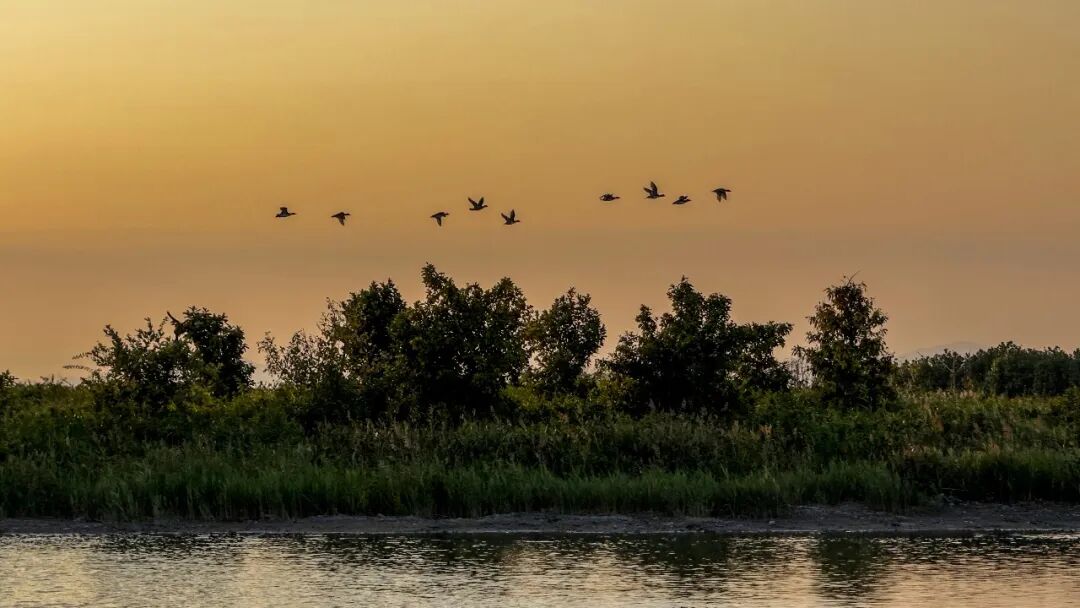
Hengqin and Macao face each other across a narrow waterway and share the same ecosystem and migratory flyway. The two sides cooperate on wetland conservation and biodiversity protection, conducting research on ecological corridors and coordinating efforts ranging from habitat protection to joint monitoring.